
Should you be taking Slippery Elm for gut health?
Dr Georgina Williams
What is Slippery Elm?
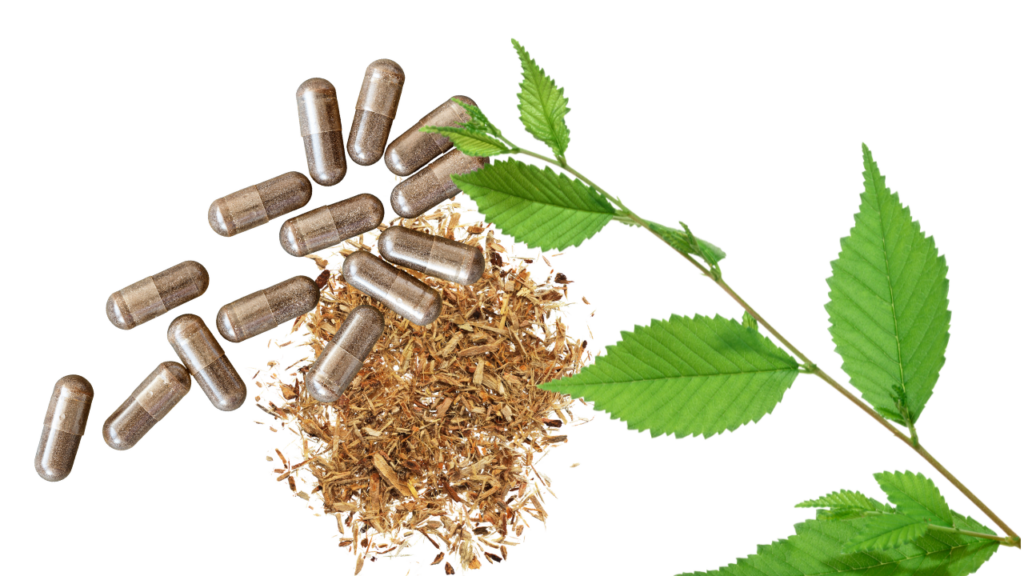
Slippery elm (Ulmus rubra) is a tree native to North America. Its inner bark contains mucilage, a gel-like substance that has been suggested to coat and soothe irritated tissues in the gastrointestinal tract. Slippery elm has been used in traditional medicines for sore throats, coughs, and digestive complaints.
Potential benefits for gastrointestinal health (and is there any evidence?)
- Acid Reflux & GERD: Mucilage may form a protective layer in the oesophagus, reducing irritation from stomach acid and preventing ulcer formation. This has not been tested in clinical trials and remains a hypothesis at present.
- IBS: By stimulating mucus production and adding bulk, slippery elm may assist with reducing constipation. This has been tested in one small human trial which found improvements to constipation and quality of life in individuals with IBS-C. It should be noted that slippery elm was taken alongside a combination of other herbs and so these effects cannot be definitively attributed to the slippery elm.
- IBD: A 2002 lab-based study1 found that slippery elm had antioxidant potential when incubated with inflamed gastrointestinal tissue of people with Crohns disease. This has not been tested outside of a laboratory setting to determine whether these effects would be evident when it is taken as a supplement.
How is Slippery Elm used?
Slippery elm is available as powder, capsules, or lozenges. Powdered bark can be mixed with fluids (about 1 tablespoon up to 3 times daily), though dosage should be individualised with professional guidance.
Are there any safety concerns?
- Generally regarded as safe, but supplements are not tightly regulated so it is recommended to check these with your health practitioner.
- Slippery elm may interfere with absorption of medications or nutrients, so it is recommended to take this 2 hours before/after medications.
- Should be avoided during pregnancy unless advised by a healthcare professional.
Slippery elm has the potential to assist with management of gastrointestinal symptoms, particularly acid reflux and IBS. However, clinical evidence is very limited and so until robust clinical trials are undertaken, it should be used as a complementary approach under professional supervision.
Written by Dr Georgina Williams (APD, PhD)
Help Yourself Dietitians are all PhD qualified, ensuring evidence like this is matched to your eating preferences and habits in an empathic and empowering way that suits your lifestyle
References:
- Langmead L, Dawson C, Hawkins C, Banna N, Loos S, Rampton DS. (2002) Antioxidant effects of herbal therapies used by patients with inflammatory bowel disease: an in vitro study. Alimentary Pharmacology and Therapeutics 16(2): 197–205


Contact Us
Email – office@helpyourself.com.au