
The Mediterranean Diet for Gut Health and Healthy Ageing
Dr Jasmine Millman
What we eat influences how we age
Healthy ageing isn’t simply about living longer. It’s about maintaining our physical health, cognitive function, independence and quality of life for as many years as possible.1 This is where healthspan comes in – the number of years we spend in good health, compared with lifespan, which is simply the number of years we live.2 Ideally, we want to maximise both.
While ageing is influenced by many factors, diet is a key factor we can modify – influencing our risk of chronic disease, physical function, cognitive health and overall wellbeing as we age.1 The strongest evidence for healthy ageing points towards overall dietary patterns, rather than any single ‘superfood’ or nutrient. Dietary patterns rich in vegetables, fruits, legumes, whole grains, nuts, seeds and unsaturated fats – and lower in processed and ultra-processed foods, excess saturated fat and processed meat – consistently come out on top.3
The Mediterranean Diet
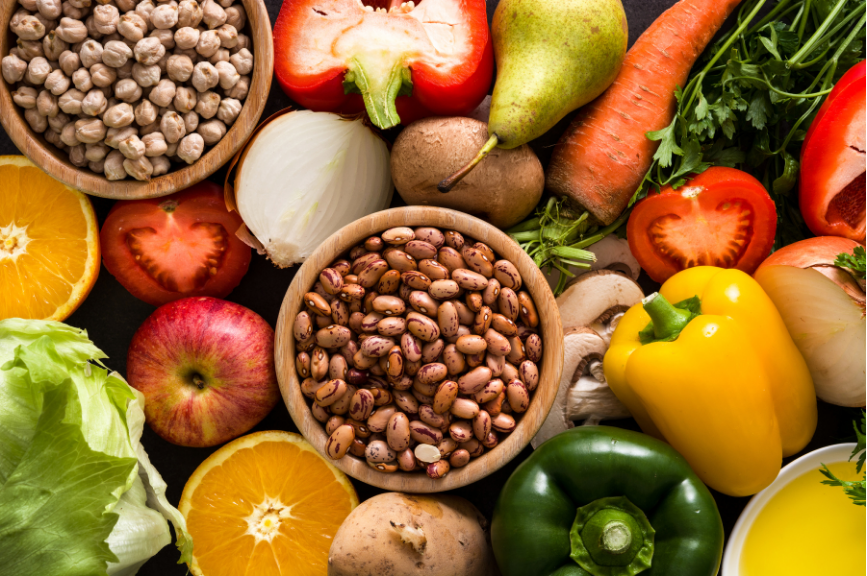
One of the best-studied examples is the Mediterranean diet. Traditionally, this is a predominantly plant-forward eating pattern built around vegetables, fruits, legumes, whole grains, extra virgin olive oil, nuts and seeds, with regular fish and seafood, moderate dairy, and smaller amounts of red and processed meat. The traditional Mediterranean lifestyle also includes physical activity and a focus on social connection and shared meals.4 This way of eating has been associated with the greatest benefits for cardiovascular health, cognitive health, and physical function.5,6,7,8 Following a Mediterranean-style dietary pattern during midlife and later life is also associated with a greater likelihood of healthy ageing and lower mortality.6,9 But there’s another reason the Mediterranean diet is particularly interesting when it comes to healthy ageing: its effects on the gut microbiome.
Your gut microbiome changes as you age
The gut microbiome refers to the community of microorganisms that live in your digestive tract. These microbes interact with the food we eat and produce compounds that can influence the health of our gut, metabolism and immune system.
As we age, the gut microbiome can change. Characteristic shifts with age include reduced microbial diversity and changes in the balance and function of the microbial community – often referred to as dysbiosis.10,11 Dysbiosis is a recognised hallmark of ageing and is linked with increased levels of inflammation, immune changes and a range of age-related health conditions.12 A dysbiotic microbiome is thought to excel age-related processes by impairing the gut barrier and increasing the production of certain microbial metabolites that activate the immune system and increase inflammation.13,14
The good news is that our gut microbiome isn’t completely fixed – it’s modifiable and responds to many factors, including diet.
What does the research say?
Research suggests that following a Mediterranean-style diet can positively influence both the gut microbiome and healthy ageing. In older adults, Mediterranean-style dietary interventions have been associated with changes in the gut microbiome linked to reduced frailty and improved health status.15 The Mediterranean diet is associated with greater microbial diversity and a more favourable gut microbial community as well as reduced levels of inflammation – another key driver of ageing.16,17 The positive influence the Mediterranean diet has on gut health may be just one of the mechanisms by which the diet is linked to better health and longevity.
What makes this dietary pattern so beneficial for gut health?
It’s not one particular food. It’s the combination and diversity of plant foods in particular.
Vegetables, fruits, legumes, whole grains, nuts and seeds provide a wide range of fibres. Many of these reach the large intestine, where they become fuel for our gut microbes, encouraging the growth of beneficial microbes and production of anti-inflammatory metabolites.17,18 Specifically, when certain gut microbes ferment fibre, they produce metabolites called short-chain fatty acids (SCFAs). These compounds play important roles in gut health and influencing the gut barrier, immune and inflammatory pathways.19,20
The Mediterranean diet is also rich in polyphenols – plant compounds found in foods such as berries, extra virgin olive oil, herbs, spices, tea, coffee, cocoa, nuts and colourful fruits and vegetables. Many polyphenols interact with the gut microbiome and can be transformed into beneficial bioactive compounds, positively influencing the gut microbial community and metabolites produced.21
Bringing it to your plate: Gut health and longevity hacks
You don’t need to completely overhaul your diet to support your gut health and longevity. Instead, focus on small changes that increase plant diversity, fibre, polyphenols, healthy fats and quality protein.
1. Aim for plant diversity
Try working towards 30 different plant foods each week. This isn’t a formal dietary guideline, but it’s a useful way to encourage variety which helps build diversity of your gut microbiome.
Your tally can include vegetables, fruits, legumes, whole grains, nuts, seeds, herbs and spices.
Hack: Keep a list on your phone and tick off each new plant food you eat. Five different vegetables in one meal = five different plants!
2. Add beans and legumes to meals you already eat
Beans and legumes are an excellent source of fibre which feed the good microbes and are also rich in plant protein keeping you fuller for longer.
Hack: Add a can of rinsed lentils or chickpeas to spaghetti bolognese, curry or tacos. You can also blend cannellini beans into pumpkin soup or red lentils into tomato soup for an easy fibre boost.
3. Make salads easier
Hack: Choose a pre-prepared salad mix with at least four different coloured vegetables. Add chickpeas, lentils, nuts or seeds, then drizzle with extra virgin olive oil and lemon juice.
4. Upgrade your fats
Swap butter for extra virgin olive oil where practical. Choose the cold-pressed variety for extra polyphenol benefits. Use it for cooking or as a finishing oil over salads, roasted vegetables, beans, soups and fish.
5. Build a better breakfast
Add plant diversity to your usual breakfast rather than completely changing it.
Try oats with berries, chia seeds, walnuts and cinnamon, or natural yoghurt with kiwi, berries, pumpkin seeds and nuts you can also add vegies such as spinach and cauliflower to your smoothies.
Hack: Add one new plant ingredient to your breakfast each week.
6. Eat the rainbow
Different coloured plant foods contain different polyphenols and other bioactive compounds that feed your gut microbiome.
Hack: Look at your plate and ask, ‘How many colours can I see?’ Aim for a variety of green, red, orange, yellow, purple and white plant foods across the week.
7. Make snacks work for you
Combine a plant food with protein or healthy fat:
- Apple + peanut butter
- Carrots + hummus
- Berries + natural yoghurt
- Wholegrain crackers + avocado
- Fruit + nuts
- Edamame beans
8. Don’t forget protein
Healthy ageing isn’t just about gut health. Maintaining muscle mass and strength is also important for mobility, independence and quality of life.
Include a protein source at each main meal, such as fish, eggs, Greek yoghurt, tofu, tempeh, legumes, chicken, nuts or seeds. Just a small amount is fine and don’t get sucked in by supplements.
9. Ensure you hydrate
As you increase the number of plant foods and fibre you are consuming, ensuring you are drinking enough water is essential to reap the benefits for your digestive health.
10. Think beyond food
The Mediterranean lifestyle isn’t just about what’s on your plate. Physical activity and social connection are also important parts of healthy ageing.
Hack: At least once a week, share a meal with family or friends, go for a walk with someone or organise a social activity that gets you moving.

Key takeaway: Feed your gut for healthy ageing
The gut microbiome is increasingly recognised as an important part of the healthy ageing story, and our diet is one factor that can influence the microbial ecosystem living inside us.
A Mediterranean-style dietary pattern provides a practical way to support both gut health and healthy ageing: plenty of plant diversity, fibre-rich foods, polyphenols, healthy fats, adequate protein and fewer ultra-processed foods.
The goal isn’t simply to live longer. It’s to support your healthspan so you can stay strong, active, independent and well for as many years as possible. Optimizing your gut health is likely an important part of that journey.
Written by Dr Jasmine Millman (APD, PhD)
Help Yourself Dietitians are all PhD qualified, ensuring evidence like this is matched to your eating preferences and habits in an empathic and empowering way that suits your lifestyle
References:
- Hu, F. B. (2023). Diet strategies for promoting healthy aging and longevity: An epidemiological perspective. Journal of internal medicine, 295, 508 – 531. https://doi.org/10.1111/joim.13728
- Lu, W. H. (2024). Effect of Modifiable Lifestyle Factors on Biological Aging. JAR life, 13, 88 – 92. https://doi.org/10.14283/jarlife.2024.13
- Dominguez, L., Veronese, N., Baiamonte, E., Guarrera, M., Parisi, A., Ruffolo, C., Tagliaferri, F., & Barbagallo, M. (2022). Healthy Aging and Dietary Patterns. Nutrients, 14. https://doi.org/10.3390/nu14040889
- Lacatusu, C., Grigorescu, E.-D., Floria, M., Onofriescu, A., & Mihai, B. (2019). The Mediterranean Diet: From an Environment-Driven Food Culture to an Emerging Medical Prescription. International Journal of Environmental Research and Public Health, 16. https://doi.org/10.3390/ijerph16060942
- Joshi, S., Jabade, M., Nadaf, H., & Salve, P. (2025). Evidence-Based Pathways to Healthy Aging: A Systematic Review and Meta-analysis of Lifestyle Interventions for Longevity and Well-Being. Investigacion y Educacion en Enfermeria, 43. https://doi.org/10.17533/udea.iee.v43n3e06
- Furbatto, M., Lelli, D., Incalzi, R. A., & Pedone, C. (2024). Mediterranean Diet in Older Adults: Cardiovascular Outcomes and Mortality from Observational and Interventional Studies—A Systematic Review
- Poursalehi, D., Lotfi, K., & Saneei, P. (2023). Adherence to the Mediterranean diet and risk of frailty and pre-frailty in elderly adults: A systematic review and dose-response meta-analysis with GRADE assessment.. Ageing research reviews, 101903 . https://doi.org/10.1016/j.arr.2023.101903
- Fekete, M., Varga, P., Ungvari, Z., Fekete, J., Buda, A., Szappanos, Á., Lehoczki, A., Mózes, N., Grosso, G., Godos, J., Menyhárt, O., Munkácsy, G., Tarantini, S., Yabluchanskiy, A., Ungvari, A., & Győrffy, B. (2025). The role of the Mediterranean diet in reducing the risk of cognitive impairement, dementia, and Alzheimer’s disease: a meta-analysis. GeroScience, 47, 3111 – 3130. https://doi.org/10.1007/s11357-024-01488-3
- Critselis, E., & Panagiotakos, D. (2019). Adherence to the Mediterranean diet and healthy ageing: Current evidence, biological pathways, and future directions. Critical Reviews in Food Science and Nutrition, 60, 2148 – 2157. https://doi.org/10.1080/10408398.2019.1631752
- Baechle, J. J., Chen, N., Makhijani, P., Winer, S., Furman, D., & Winer, D. (2023). Chronic inflammation and the hallmarks of aging. Molecular Metabolism, 74. https://doi.org/10.1016/j.molmet.2023.101755
- Abahussin, H. M., Alotaibi, M. S., Alhazzaa, O. A., Alotaibi, A. G., Al-Saab, S., Aljawini, N. A., & Alawad, A. O. (2025). Exploring the intricate link between gut microbiota dysbiosis and the aging process: implications for age-related diseases. Gut Pathogens, 18. https://doi.org/10.1186/s13099-025-00788-z
- Bosco, N., & Noti, M. (2021). The aging gut microbiome and its impact on host immunity. Genes and Immunity, 22, 289 – 303. https://doi.org/10.1038/s41435-021-00126-8
- Chen, N., Chan, C. K., Khan, F., Makhijani, P., Valentino, T. R., Winer, S., Luk, C., & Winer, D. A. (2026). Gut Microbiota-Derived Metabolites as Immune Modulators in Aging and Age-Related Chronic Inflammatory Diseases. Ageing research reviews, 116, 103036 – 103036. https://doi.org/10.1016/j.arr.2026.103036
- Biragyn, A., & Ferrucci, L. (2018). Gut dysbiosis: a potential link between increased cancer risk in ageing and inflammaging. The Lancet. Oncology, 19, e295 – e304. https://doi.org/10.1016/s1470-2045(18)30095-0
- Ghosh T., Rampelli, S., Jeffery, I., Santoro, A., Neto, M., Capri, M., Giampieri, E., Jennings, A., Candela, M., Turroni, S., Zoetendal, E., Hermes, G. D. A., Elodie, C., Meunier, N., Brugere, C., Pujos-Guillot, E., Berendsen, A. M., De Groot, L. D., Feskins, E. J. M., . . . O’Toole, P. (2020). Mediterranean diet intervention alters the gut microbiome in older people reducing frailty and improving health status: the NU-AGE 1-year dietary intervention across five European countries. Gut, 69, 1218 – 1228. https://doi.org/10.1136/gutjnl-2019-319654
- Khavandegar, A., Heidarzadeh, A., Angoorani, P., Hasani-Ranjbar, S., Ejtahed, H., Larijani, B., & Qorbani, M. (2024). Adherence to the Mediterranean diet can beneficially affect the gut microbiota composition: a systematic review. BMC Medical Genomics, 17. https://doi.org/10.1186/s12920-024-01861-3
- Barber, T., Kabisch, S., Pfeiffer, A., & Weickert, M. (2023). The Effects of the Mediterranean Diet on Health and Gut Microbiota. Nutrients, 15. https://doi.org/10.3390/nu15092150
- Abrignani, V., Salvo, A., Pacinella, G., & Tuttolomondo, A. (2024). The Mediterranean Diet, Its Microbiome Connections, and Cardiovascular Health: A Narrative Review. International Journal of Molecular Sciences, 25. https://doi.org/10.3390/ijms25094942
- Aslam, H., Trakman, G., Dissanayake, T., Todd, E., Harrison, P., Alby, C., Jabeen, T., Gamage, E., Travica, N., Marshall, S., Ruusunen, A., Rocks, T., Marx, W., Berk, M., O’Neil, A., McGuinness, A. J., Jennings, L., Jacka, F., & Dawson, S. (2026). ). Dietary interventions and the gut microbiota: a systematic literature review of 80 controlled clinical trials. Journal of Translational Medicine, 24. https://doi.org/10.1186/s12967-025-07428-9
- Perrone, P., & D’Angelo, S. (2025). Gut Microbiota Modulation Through Mediterranean Diet Foods: Implications for Human Health. Nutrients, 17. https://doi.org/10.3390/nu17060948
- Nagpal, R., Shively, C., Register, T., Craft, S., & Yadav, H. (2019). Gut microbiome-Mediterranean diet interactions in improving host health. F1000Research, 8. https://doi.org/10.12688/f1000research.18992.1


Contact Us
Email – office@helpyourself.com.au